

How to Use AI in Your Digital Marketing Strategy

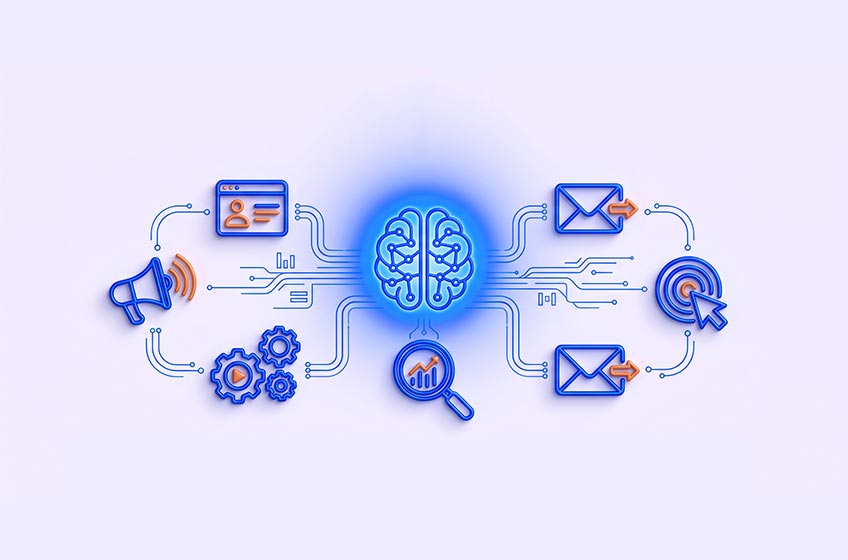
Let me paint you a familiar picture, and yes, you’re more than welcome to correct me if I’m wrong. You open ChatGPT and type, “Give me 30 social media posts for my business.” Five minutes later, you’ve got 30 posts. You feel productive. Then you actually read them, and boom, they all sound and seem like something you’ve seen in every other business post in the last 30 days. 😂
To be honest with you, AI has made creating marketing content ridiculously easy, but remember, easier content doesn’t automatically mean better marketing.
But easier content doesn’t automatically mean better marketing. We already explored how this macro shift is redefining work in “Why AI Will Change How We Work Forever”, but executing without a plan is a quick way to drown in noise.
You can generate captions, write emails, analyze competitors, brainstorm campaigns, create images, and automate customer responses faster than ever. But if you don’t know whom you’re trying to reach, what you want to be known for, or why someone should choose you, AI will simply help you produce more of the wrong thing. This is why getting your core positioning right and avoiding the classic niche trap is step zero before you prompt any model.
And I’ve seen this shift happen incredibly fast. Businesses that once struggled to publish twice a week can now produce more content in an afternoon than they could have created in a month.
But here’s the catch:
More content doesn’t automatically create more attention, more attention doesn’t automatically create more customers, and more customers don’t magically mean more revenue.
But before you go ballistic on me, hear me out. There is a fix.
All your marketing needs is a strategy.
And in this article, we will dive deep down and actually understand how you can use AI to make the strategy you already have faster, smarter, and easier to execute.
So buckle up, grab a tea or coffee, put on some music, and let’s goooo. 😉
🎁 But… Before we go further… let me shamelessly plug my Free Branding Course.
Relax, it’s just 10 days of emails, and you can unsubscribe at any time you want. 😅
In the emails, I’ll walk you through the fundamentals of building a stronger brand- everything I wish I had known when I started @Saiiddesigns.
AI Doesn’t Fix a Bad Marketing Strategy
Before you ask AI to write your next campaign, create your content calendar, or analyze your competitors, ask yourself a much more uncomfortable question:
Do I actually have a marketing strategy?
Because AI can generate an impressive campaign in seconds, but it doesn’t know whether that campaign makes sense for your business.
It doesn’t automatically know your ideal customer, your positioning, your competitive advantage, or the perception you’re trying to build in someone’s mind.
Give AI a vague instruction like “Create a marketing campaign for my business,” and you’ll probably get a perfectly acceptable campaign.
And “perfectly acceptable” is exactly what you don’t want your brand to become.
Your marketing should start with a clear understanding of whom you’re speaking to, what problem you’re solving, what makes you different, and what you want people to remember about you. Once those foundations are clear, AI becomes incredibly powerful.
You can give it your positioning, your audience, your brand voice, your messaging pillars, your offers, and your goals, then use it to help you turn that strategy into actual marketing. That’s a completely different game.
AI shouldn’t be deciding what your brand stands for; it should be helping you communicate it better. And that’s why I always recommend getting the strategic foundation right before worrying about the tools.
.jpg)
Let AI Do the Heavy Lifting
Now that we’ve established the most important part- AI shouldn’t be your marketing strategy- let’s talk about where it can actually make your life easier.
One of the biggest advantages of AI in marketing is simple: it can take a lot of the heavy lifting off your plate.
Research that used to take hours can be summarized in minutes, customer feedback can be organized into patterns, competitor research can be structured, and campaign ideas can be brainstormed without staring at a blank screen for an hour.
And honestly, this is where I think AI gets really interesting for small businesses.
You don’t need to hand your entire marketing department over to a robot. 😂 You can simply use AI to get through the parts of the process that slow you down, so you can spend more time on the parts that actually require your judgment.
For example, let’s say you’re planning a campaign for a new service. Instead of starting with: “Give me some marketing ideas.” You can give AI the information it actually needs:
- Whom you’re targeting.
- What you’re selling.
- What problem you’re solving.
- What makes your offer different.
- Your budget. Your previous results.
- And what you’re trying to achieve.
Now you’re not asking AI to magically come up with your marketing strategy; you’re giving it a strategic context and asking it to help you work through the problem, and that’s a completely different use of AI.
Talking of games, market research is another game area where AI can save a ridiculous amount of time.
You can use it to organize customer reviews, identify recurring complaints, summarize survey responses, compare competitors, and spot patterns across large amounts of information.
But don’t make the mistake of asking AI to tell you what your customers want and then blindly believing it. Make it a habit to go to the source first. Read the reviews, talk to customers, look at your actual sales data, and pay attention to the questions people keep asking. Then let AI help you make sense of what you’ve collected.
Because your customers are the source of the insight, AI is simply helping you see the pattern faster, and once you know the pattern, you can start turning those insights into better campaigns, better offers, and eventually, a stronger brand.
Create More Content Without Becoming Generic
By now you know that AI can help you brainstorm a month’s worth of content in minutes. It can turn one idea into a blog post, email, LinkedIn post, video script, or social caption without breaking a sweat.
Sounds amazing, right? It is. Until everyone starts doing the same thing. 😂
The problem isn’t that AI can create too much content. The problem is that a lot of businesses are using it without giving it enough of their own thinking first. They ask for a post, accept the first decent answer, change a few words, and publish it.
Do that for long enough and your content starts sounding like everyone else’s, and this is where I think your brand becomes incredibly important.
Before asking AI to create anything, give it something worth working with. Your experiences, opinions, customer stories, positioning, brand voice, examples, mistakes, lessons, and the things you genuinely believe about your industry.
AI should amplify your perspective, not replace it.
For example, instead of asking: “Write me a LinkedIn post about why branding matters.” Give it the actual idea you want to communicate:
“I think most small businesses are spending too much money on marketing before figuring out what they actually want to be known for. Here’s why I believe that…”
Now AI has something to work with.
It can help structure the argument, improve the hook, find gaps, or turn the idea into different formats. But the original thought came from you. That’s the difference between using AI to create content and using AI to scale your point of view.
And honestly, that’s the model I prefer.
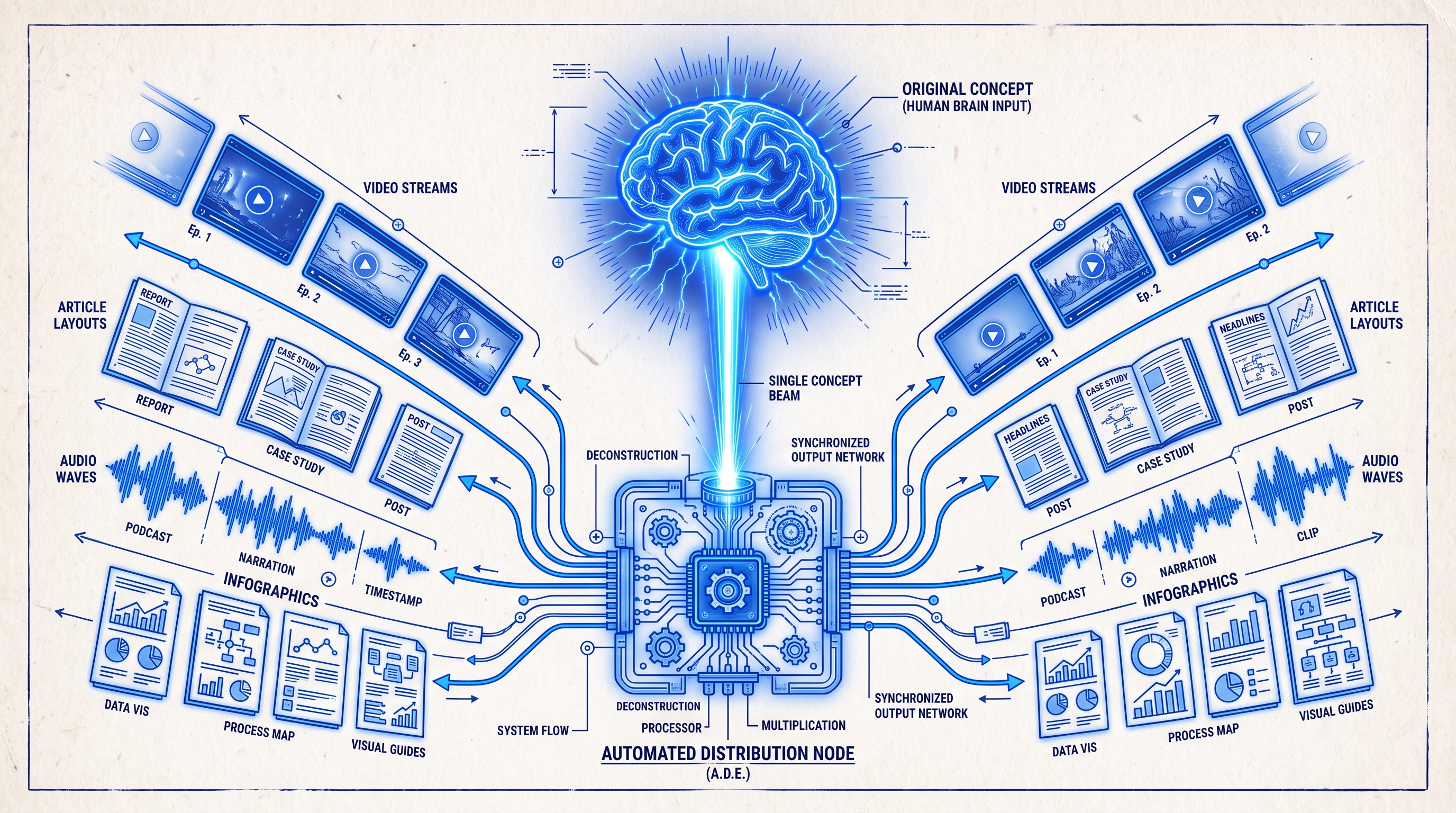
One good idea can become ten pieces of content.
- A blog can become a newsletter.
- The newsletter can become a LinkedIn post.
- The core idea can become a video.
- The video can become a Reel.
- The best insight can become an infographic.
You aren’t constantly trying to come up with something new. You’re getting more value from the ideas you already have.
And that’s building a content system around your brand, the exact system I have built for my brand.
And yes, it’s the exact system I can help you with if you book me 😉
Personalize Your Marketing Without Losing the Human Touch
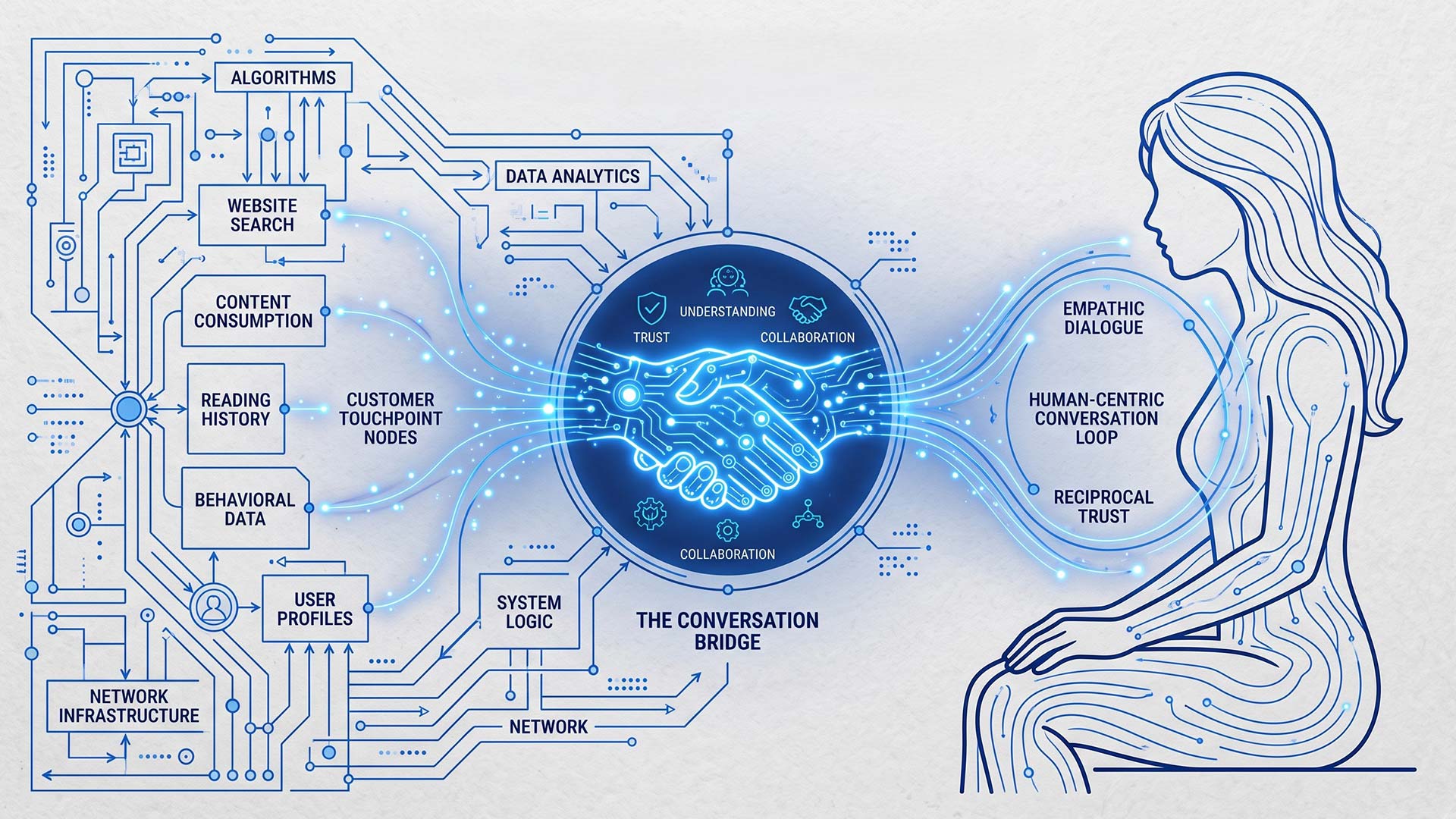
Here’s something AI can do incredibly well: make your marketing feel more relevant to the person reading it.
Think about the difference between receiving an email that says, “Hey, check out our latest offer!” and receiving one that actually speaks to something you were looking for, based on what you’ve previously viewed, bought, or asked about.
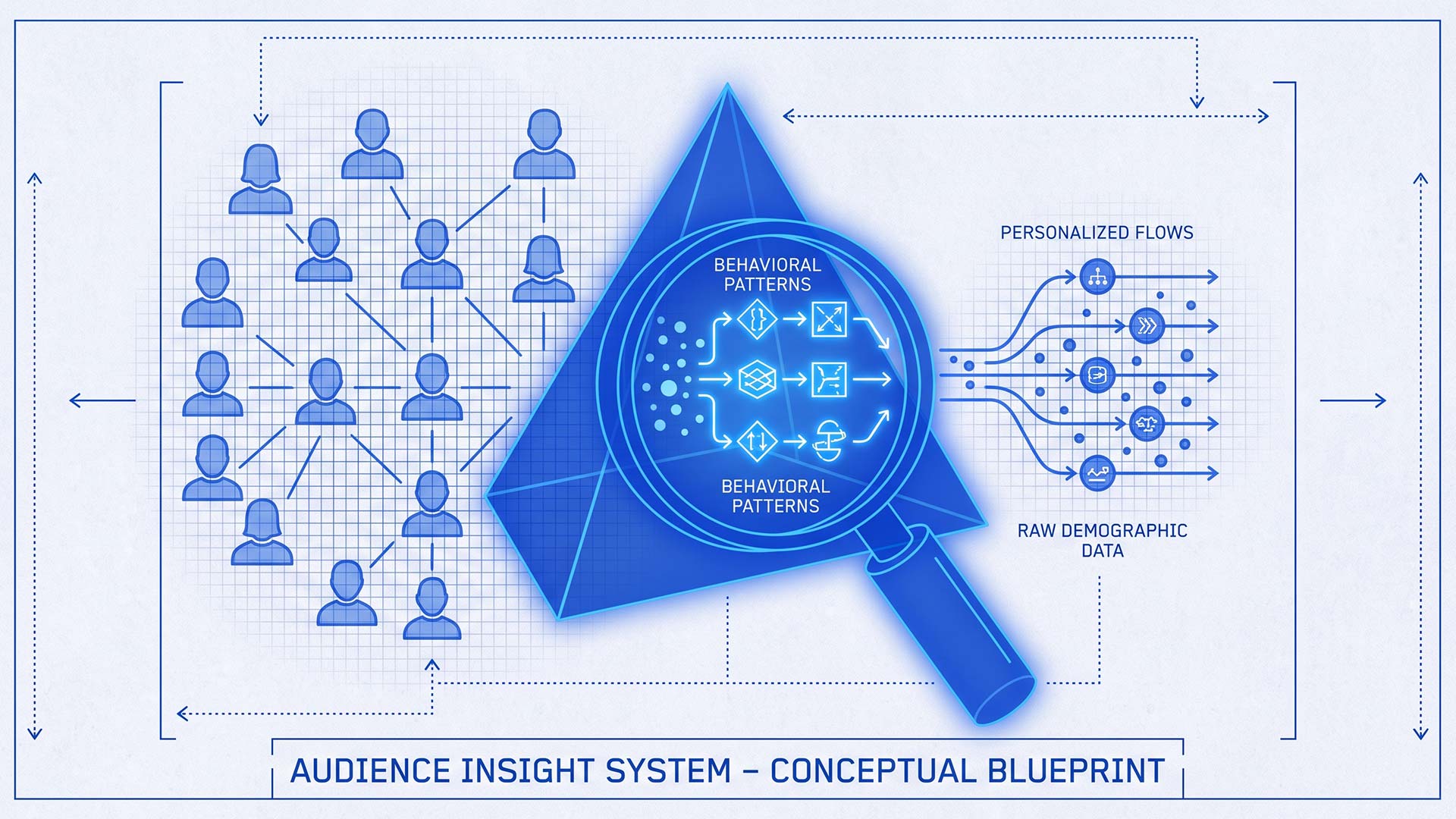
AI can help businesses analyze customer behavior, identify patterns, segment audiences, and tailor messages based on what different customers actually care about, as we already covered deep here on Why AI will change how we work forever.
Instead of sending exactly the same message to everyone, you can start creating marketing that feels much more intentional, and for a small business, that can be incredibly useful.
Imagine someone visits your website, downloads your free guide, reads a few articles about branding, and later books a call. Instead of treating that person like a completely new visitor, your marketing system can use those signals to understand what they’re interested in and deliver something more relevant. You’re not just sending another generic email into someone’s inbox; you’re continuing a conversation they already started with your brand.
But here’s where I would draw the line.
Personalization should make your marketing feel more human, not less. Nobody wants to feel like they’ve been placed inside a creepy spreadsheet where every click they’ve ever made is being watched. 😂 The goal isn’t to make people feel monitored; it’s to make them feel understood.
- AI can help you understand customer behavior, but you still need empathy to understand the customer.
- A chatbot can answer a common question at midnight while a human steps in when the customer has a complicated problem.
- AI can recommend content while you decide what is actually worth sharing.
- AI can identify a customer segment, but you decide how you want that segment to feel when they interact with your brand.
And that distinction matters because personalization isn’t really about collecting more information about your customers. It’s about using what you know to create a better experience. When you consistently do that, you’re not just improving your marketing; you’re building trust, and trust me, trust goes a long way (no pun intended 😅).

AI + Branding: The Real Competitive Advantage
Are you ready for the uncomfortable part about AI in marketing: Your competitors have access to it too 😅
They can use the same AI models to write their emails, generate content ideas, analyze their customers, create images, and plan campaigns. The technology itself isn’t exclusive anymore, and that’s actually a good thing because it means the real advantage has to come from somewhere else.
Think about it: if ten businesses ask AI to create a social media post about their industry, they’ll probably get ten variations of the same thing. You change the logo, change the colors, change a few words, and suddenly you’ve got 10 businesses saying almost exactly the same thing.
That’s where branding becomes your unfair advantage.
- Your positioning tells people what makes you different.
- Your voice gives your business a personality.
- Your visual identity makes you recognizable.
- Your story gives people something to connect with.
- Your values influence how you communicate and the experience you create for customers.
AI can help you execute all of that faster, but it can’t decide what makes you worth remembering. A real strategy starts with understanding your audience on a deeper level. Connecting with their actual pain points is why leveraging brand storytelling is your secret weapon.
And this is something I think businesses need to pay much more attention to as AI becomes part of everyday marketing. When creating content becomes easier, the amount of content people see will increase too, and your audience won’t have less noise to deal with, because They’ll have more.
That means simply publishing more isn’t enough anymore; you need a reason for someone to stop, pay attention, remember you, and eventually trust you.
That’s why I don’t see AI making branding less important. I think it’s going to make branding even more important, because when everyone has access to the same technology, your advantage isn’t the technology. It’s what you bring to it, your ideas, your perspective, your experience, your understanding of your customers, and your ability to connect the dots and turn all of that into something people recognize as you. And that’s the part no prompt can manufacture.
AI Is the Engine, Your Brand Is the Direction
After everything we’ve covered, here’s the part I want you to remember:
AI can help you move faster, but it can’t tell you where you should be going.
You can automate your marketing, analyze your customers, create more content, personalize your communication, and build systems that would have required an entire team a few years ago. That’s an incredible opportunity, especially for small businesses.
But none of that matters if your marketing has no clear direction.
- You can produce 100 posts and still say nothing.
- You can automate every email and still give people no reason to trust you.
- You can use the latest AI tools and still look exactly like everyone else using them.
Technology gives you leverage; your brand gives that leverage a direction. As we broke down in how AI is changing small businesses forever, tools buy back your time, but your brand strategy determines where you actually go.
That’s why I don’t think the future belongs to businesses that simply use AI; I think it belongs to businesses that know who they are, who they serve, what they stand for, and how they want to be remembered, then use AI to execute that vision faster.
And if you’re reading this thinking, “Okay, I understand that… but I honestly have no idea where to start with my brand,” you’re not alone. That’s exactly where strategy comes in.
I’ve spent a lot of time figuring out how to connect branding, positioning, content, and digital marketing into something that actually works together, and that’s also the system I’ve been building for Saiiddesigns.
If you want help figuring out where your brand is today, where it needs to go, and what you should actually be doing to get there, book a Brand Discovery Call with me.
We’ll look at your positioning, messaging, audience, content, and the bigger picture of your brand, then identify where the real opportunities are.
👉 BOOK YOUR BRAND DISCOVERY CALL it’s free… For now 😉
For more Branding, Marketing, Motion, and Storytelling, you are already in the right place
Written by: Saiid of @saiiddesigns


.svg)