

How to Build a Strong Personal Brand in 2026 and Beyond


We have officially entered an era where anyone can sell a product online, yet only those who command the power of branding truly stand out from the noise.
In 2026 and beyond, the market is saturated with 'pretty' images, but starving for strategic brand design. If you find yourself trapped in a cycle of price-slashing and chasing visual trends, you are operating as a service provider rather than a brand.
A real personal brand is the process of turning your unique expertise into a self-sustaining ecosystem that commands respect and justifies premium rates. To move toward becoming a high-ticket partner, you must bridge the gap between technical skill and absolute Authority.
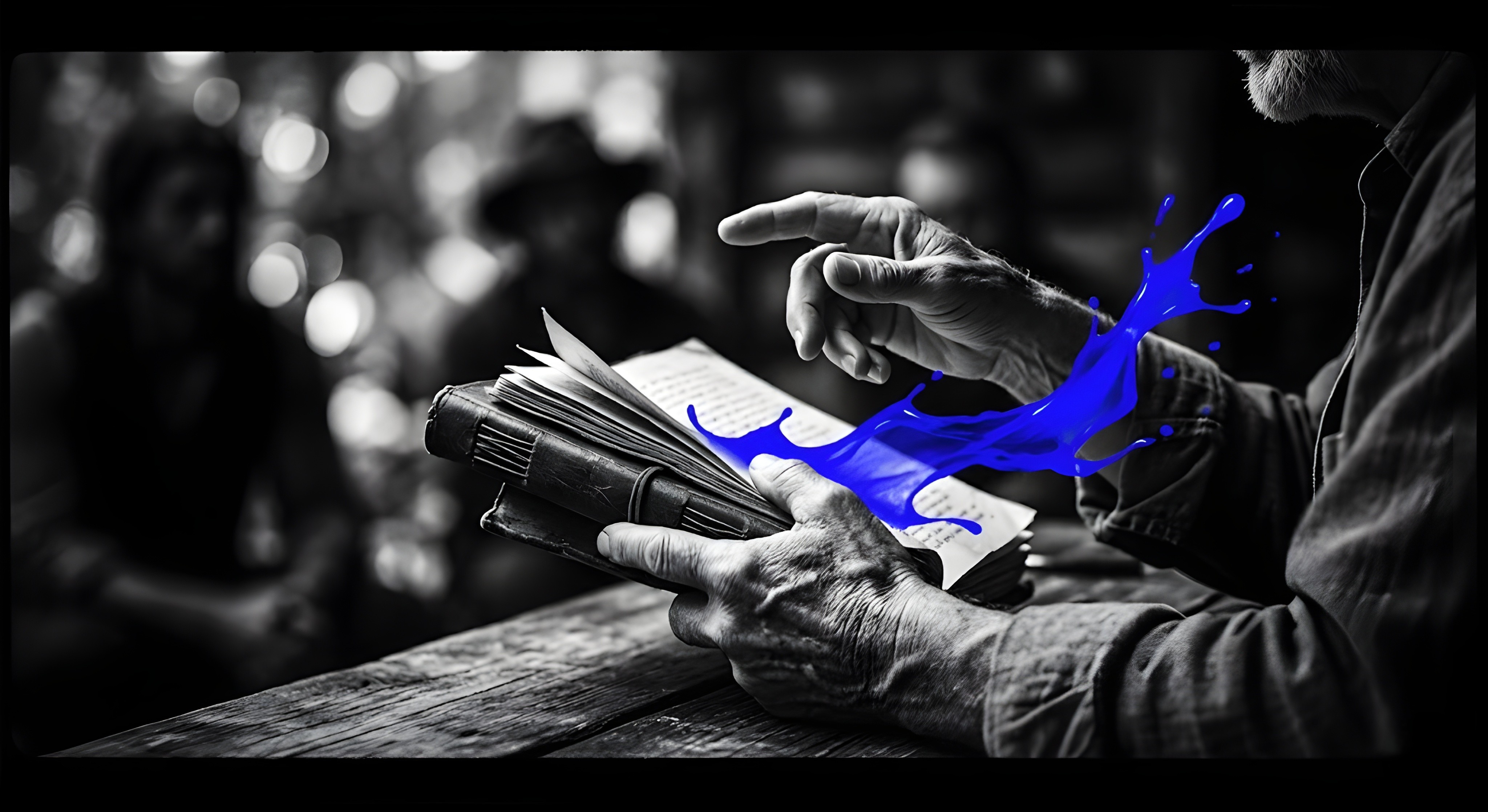
Why Storytelling is the New SEO
We are currently navigating a 'Trust Deficit.' In an era where AI-generated content is everywhere, the cost of information has plummeted to zero, while the value of human trust has reached an all-time high.
For a brand creator, this is the ultimate opening. To move from a 'service provider' to a high-ticket partner, you must recognize that clients don’t just pay for a deliverable; they invest in the storytelling in marketing that validates a premium price.
Think of the last time a piece of content truly stayed with you; it wasn't because of the technical specs, but because of how it made you feel. That is the power of brand storytelling, and it remains the most critical pillar of any enduring brand identity.
To build a Strategic Brand Design, you must move away from the "Portfolio Trap." A portfolio says, "I can do the work." A personal brand narrative says, "I am the only one who can solve this problem in this specific way."
To find your narrative, you must identify three key pillars:
- The Counter-Narrative: What is the "standard "way people do things in your industry, and why is it wrong? (e.g., "Most designers focus on aesthetics; I focus on Strategic Brand Design that drives revenue.")
- The Vulnerability Hook: What was the turning point in your career? High-ticket clients don't want a "perfect" robot; they want a human who has overcome challenges and learned from them. This is the core of Developing Brand Identity with soul.
- The Authority Bridge: How does your unique life experience (your "Human-First" edge) directly benefit the client's bottom line?
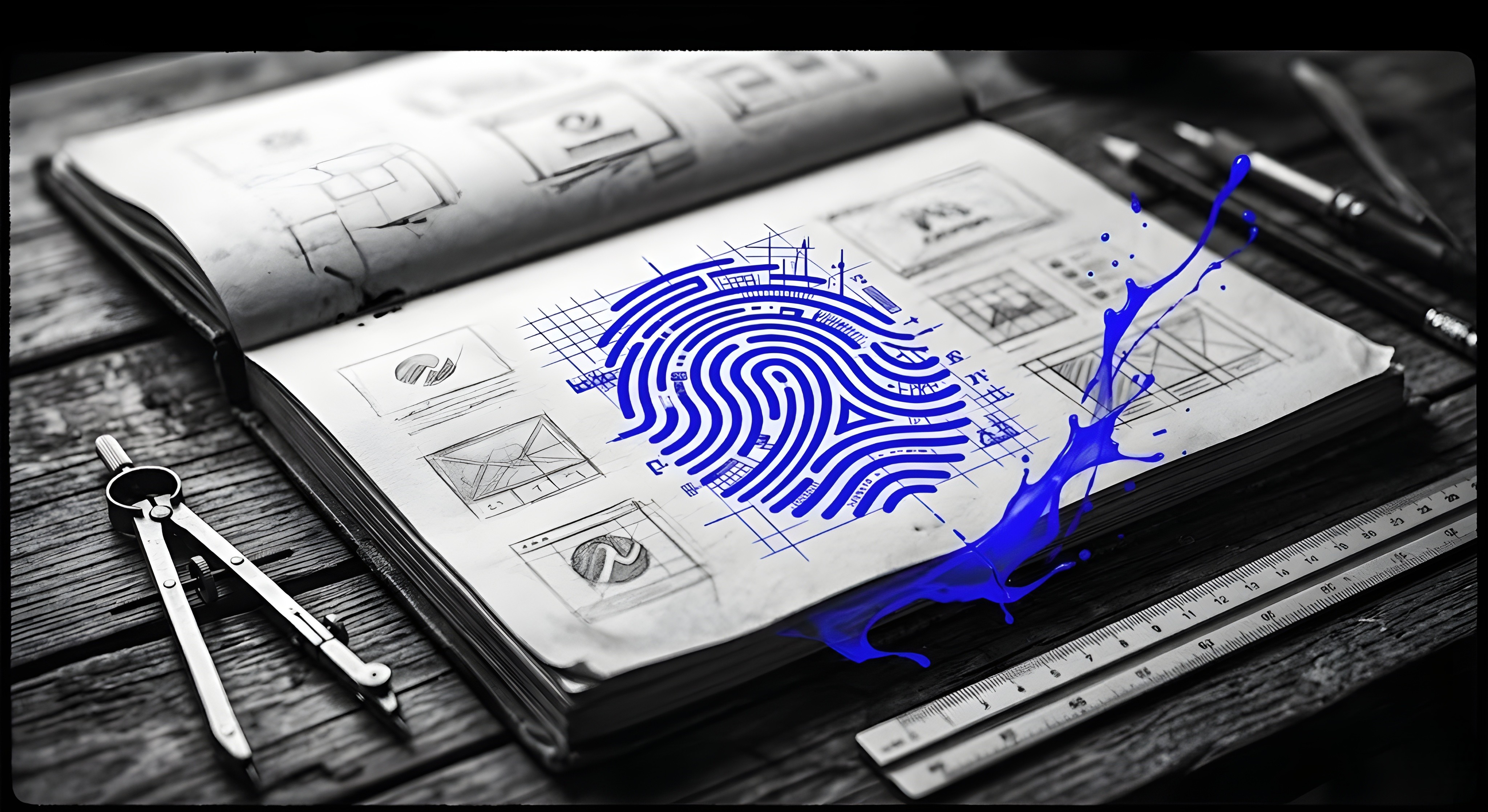
Why Premium Visual Brand Identity Design Matters
In the world of high-ticket consulting and creative services, your visual brand identity design is your silent salesperson. Before a client reads your manifesto or hops on a discovery call, they "consume" your aesthetic.
Most people mistake a logo for a brand. At Saiiddesigns, I view a logo brand identity as merely the "handshake." To command premium prices, you need a full brand identity, a cohesive visual language that communicates authority, sophistication, and trust across every pixel, with that been said, you can get a:
Components of a Full Branding Package:
- Primary & Secondary Logos: Versatility for different platforms (Webflow, Favicons, Social).
- Typography System: A hierarchy that distinguishes your "Authority" (Headings) from your "Narrative" (Body text).
- The Color Theory of Trust: High-ticket branding often avoids "loud" neon colors in favor of deep, sophisticated tones like charcoals, midnight blues, and subtle, glowing accents.
- Brand Identity Layout: How your imagery, text, and negative space interact to create a "premium" feel.
When developing brand identity, every choice must be intentional. Fora visual identity agency, we don't pick colors because they look "cool"; we pick them because they trigger specific psychological responses in the high-ticket buyer.
- Minimalism as Power: In 2026, complexity signals a lack of clarity. A clean, minimalist visual brand identity design signals that you are so confident in your value that you don't need to shout.
- Consistency =Scalability: If your Instagram looks like one person and your website looks like another, you are leaking "Trust Equity." High-ticket clients look for consistency because it indicates operational excellence. If you can't manage your own visual branding, how can you manage their project?
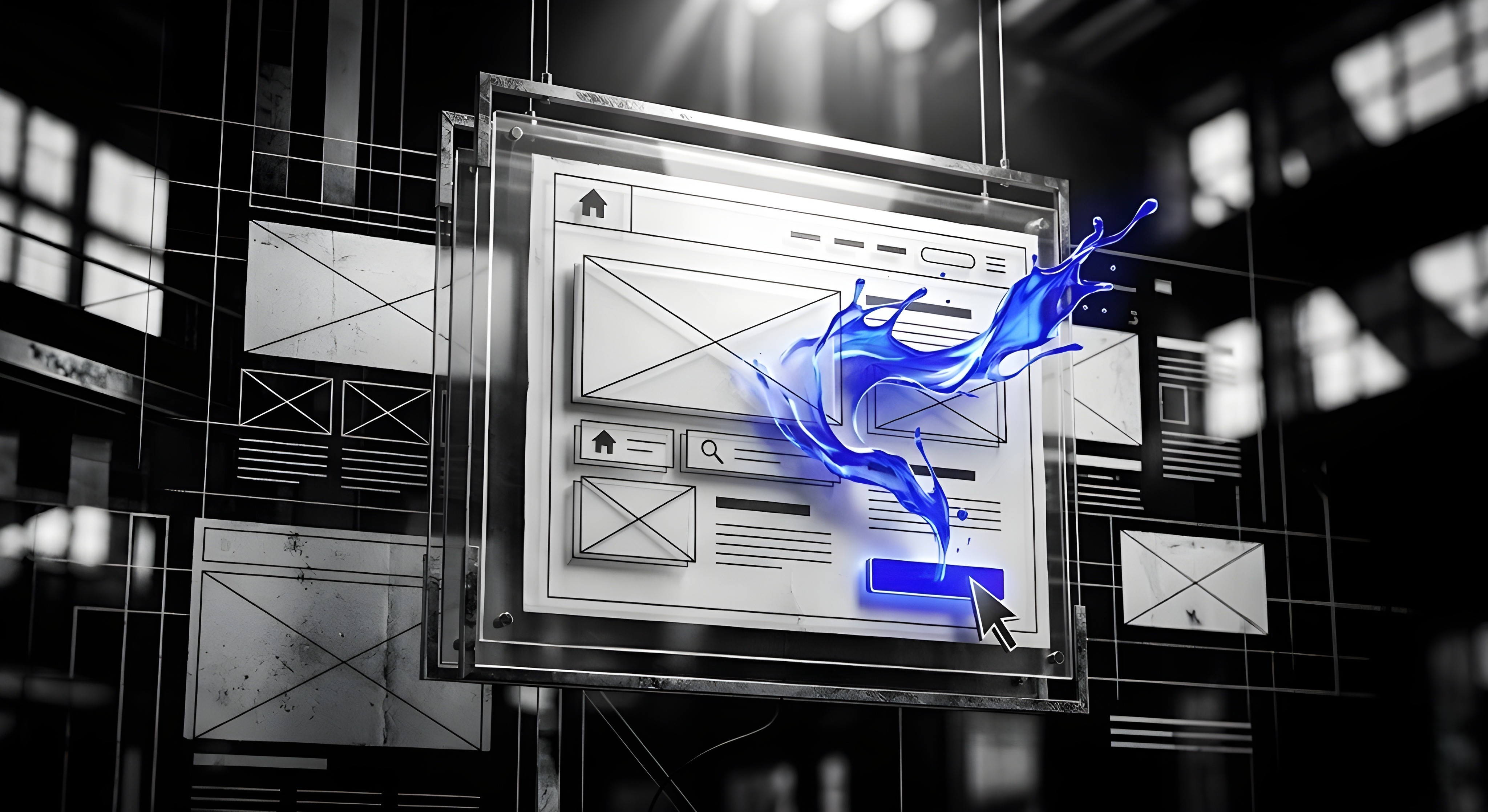
Why Your Website is Your Best Salesperson
I previously wrote an in-depth article about this subject; you can read it here.
Your branding website is your flagship. It is the only place on the internet where you have 100% control over the user experience, the narrative, and the conversion environment.
Social media is "rented land." If the algorithm shifts, your visibility vanishes. But a well-engineered website brand identity is an owned asset that works for you 24/7, filtering out low-budget leads and selling your high-ticket services while you sleep. At Saiiddesigns, I don't just build sites; I build strategic brand design powerhouses.
A premium brand identity design on a website isn't about how much information you can cram onto the page; it’s about how much clarity you can provide. For a personal brand, your homepage needs to follow a specific psychological flow:
- The Hero Section (The Promise): Within 3 seconds, a visitor must know what you do, whom you do it for, and why they should care. This is where your brand visual identity meets your value proposition.
- The Authority Section(Social Proof): High-ticket clients don't want to be your "guinea pig." Use logos, testimonials, and case studies to prove you’ve done this before.
- The "Human-First" Bridge: A short, punchy section that connects your narrative (from Chapter 1) to the client's problem.
- The Conversion Point(The CTA): Don't just say "Contact Me." Use a "Low-Friction" offer like a "Brand Strategy Audit" or a"20-Minute Discovery Call."
If you are building a brand identity targeting the "Premium" tier, you cannot use a generic, bloated template. This is why we are vocal advocates for Webflow.
- Clean Code = Authority: Google rewards sites that load fast and have clean semantic code. A slow site is a signal of a "cheap" brand.
- Total Creative Freedom: Unlike WordPress or Squarespace, Webflow allows us to build the brand identity layout exactly as it was envisioned in Figma. No compromises.
- Native SEO: Building a brand requires being found. Webflow’s native SEO tools make it easier to rank for high-intent keywords like "strategic branding agency" or "personal branding expert."
A website that only looks good is a "vanity project." A website that sells is a business. Your branding website must be integrated with a "Power Stack" to capture and nurture leads:
- Lead Capture: Use a high-value "Lead Magnet"(like a free brand audit or a chapter of your guide) to get visitors onto your email list.
- The Nurture Sequence: I trust Mailer Light for this. It’s clean, professional, and doesn't get caught in spam filters. Your "Human-First" narrative continues here.
- Digital Products: If you want to monetize your expertise beyond 1-on-1 services, integrate a shop via Payhip. It’s the easiest way for a brand creator to sell templates, guides, or the "Ultimate Creator Vault."
- Auditory Experience: For users who prefer to listen, embed audio versions of your pillar content using Eleven Labs. It adds a layer of accessibility and "Human-First" connection that most agencies ignore.
You can have the most beautiful visual brand identity and branding in the world, but if nobody sees it, it doesn't exist. Your website is the primary vehicle for your SEO strategy.
By creating long-form, high-value content (like this guide), you signal to search engines that you are a strategic brand design authority. Use your website brand identity to host "Pillar Posts" that target specific industry pain points. This creates a sustainable "Organic Lead Machine" that reduces your dependency on paid ads.
Automating The Process
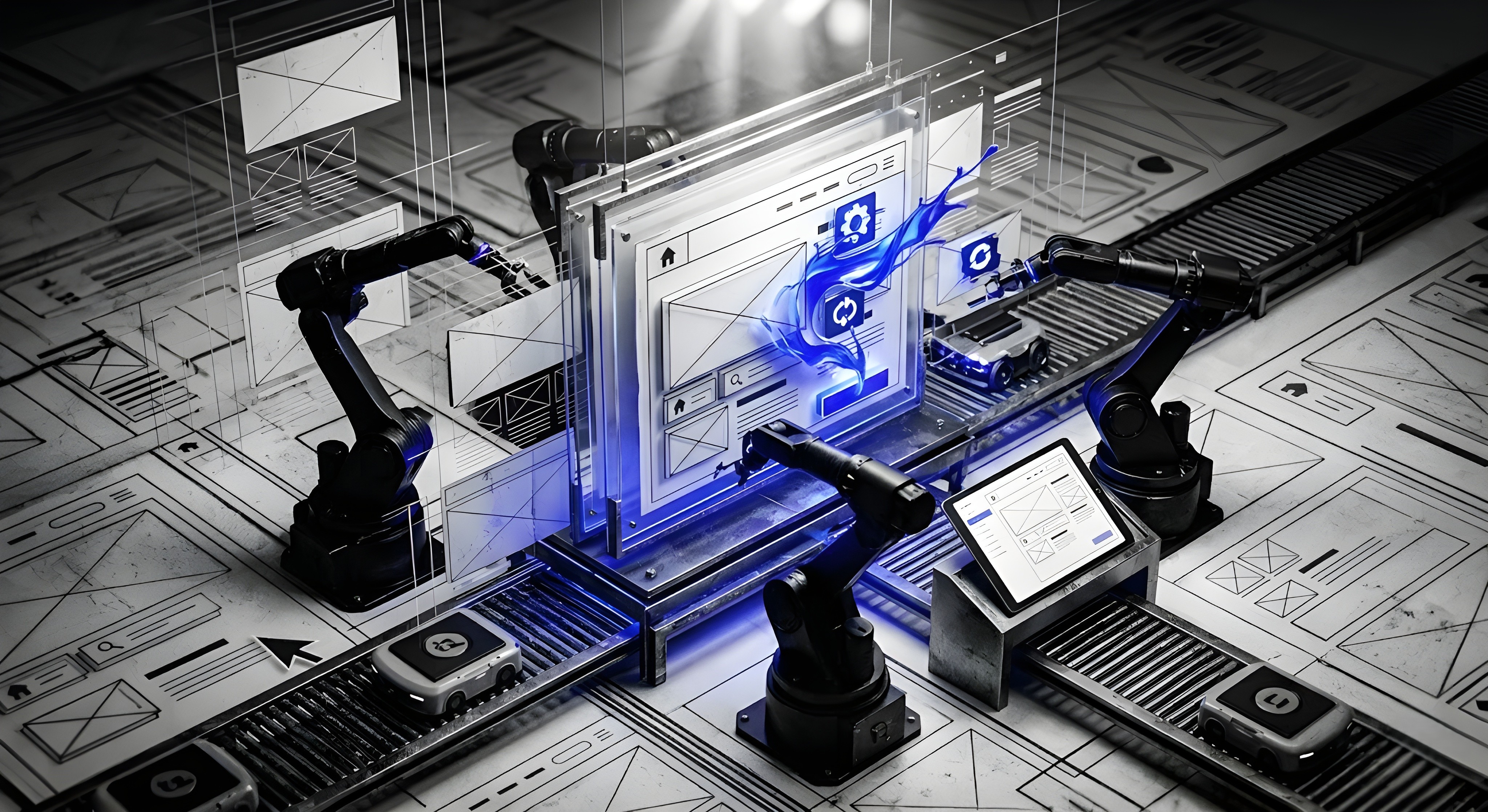
You have built the soul (Narrative), the body (Visual Identity), and the home ( Webflow HQ ). Now comes the most critical phase for any brand creator looking to move from a "freelancer" to a "Category of One": Scalability.
The trap most professionals fall into is the "Time-for-Money "bottleneck. If your brand only exists when you are actively typing or designing, you don't have a brand; you have a high-end job. To achieve true digital growth, you must automate the delivery of your human story. In 2026, scaling your authority means using a "Human-First" automation stack to maintain a premium presence without burning out.
Full transparency: I am currently in the trenches of this automation phase myself. The rise of AI Agents (Claude, Open Claw ) offers a tempting 'hands-off' future, but I’m approaching it with a healthy dose of skepticism.
To me, the 'Trust Deficit' is real, and giving an AI total control is a boundary I’m still evaluating. I’ll keep you updated as I find the right balance between automation and true brand integrity. For now, let's look at:
My stack of tools and gadgets that I actually use.
Summary
Building a premium personal brand in 2026 is a three-dimensional challenge. It requires:
- Authentic Storytelling to build trust.
- Sophisticated Visual Identity to signal value.
- High-Performance Infrastructure (Webflow) to host the experience.
- Strategic Automation to scale the human touch.
At Saiiddesigns, I believe that the future of personal branding belongs to those who can master the balance between the "Fingerprint" (the human soul) and the "Grid" (the technical systems).
The choice is yours: Remain a static freelancer in a dynamic world, or build a living, breathing brand that defines your future.

For more Branding, Marketing, Motion and Storytelling, you already in the right place
Written by: Saiid of @saiiddesigns


.svg)