

How I Revived a Dead YouTube Channel

In 2021, I was hired to manage a nearly abandoned YouTube channel for a software company that sold a tool called TelegramFxCopier.
The mission? Help users understand the product, drive more traffic from YouTube, and ultimately generate sales, all without any ads or showing my face.
When I joined, the channel had under 200 subscribers. 8 months later, it had over 3.7K, and more importantly, it was ranking for competitive keywords on both YouTube and Google search results.
Here's exactly how I did it.
Step 1: Start with the Right Intentions
At first, the company asked me to create tutorial videos about how the software worked.
They wanted to link those videos inside their website help center, which made sense (duh 😅).
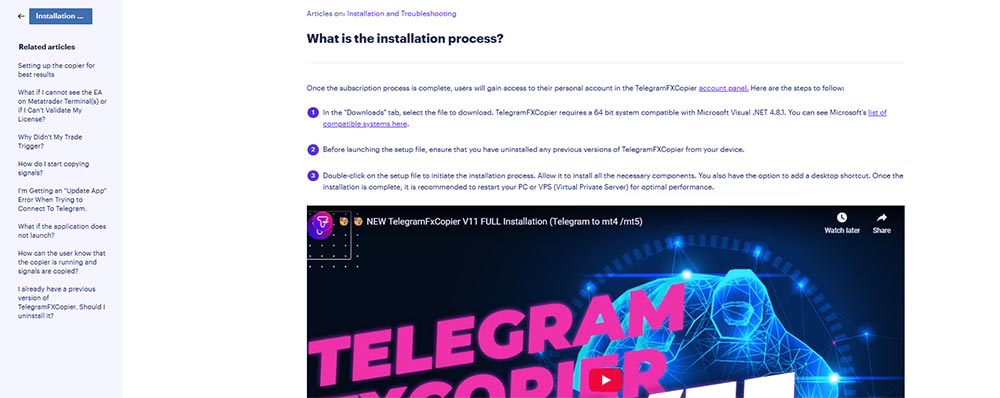
I started simple: clear walkthroughs, short clips, helpful titles, some got a few thousand views, but I wasn’t satisfied.
Why? Because this content was helpful, but not discoverable.
It didn’t bring new viewers to the channel; I was only creating content for the clients we already have.
That’s when I pivoted.
Step 2: The SEO Strategy That Changed Everything
I started researching keywords related to the software’s niche:
- Telegram to MT4
- Best forex signals
- Top trading tools
- Top 5 Best Forex Signals
💡 I noticed something interesting: Most of the videos ranking for these keywords were:
- 1 to 2 years old
- Poor quality
- Untapped opportunities for updated content
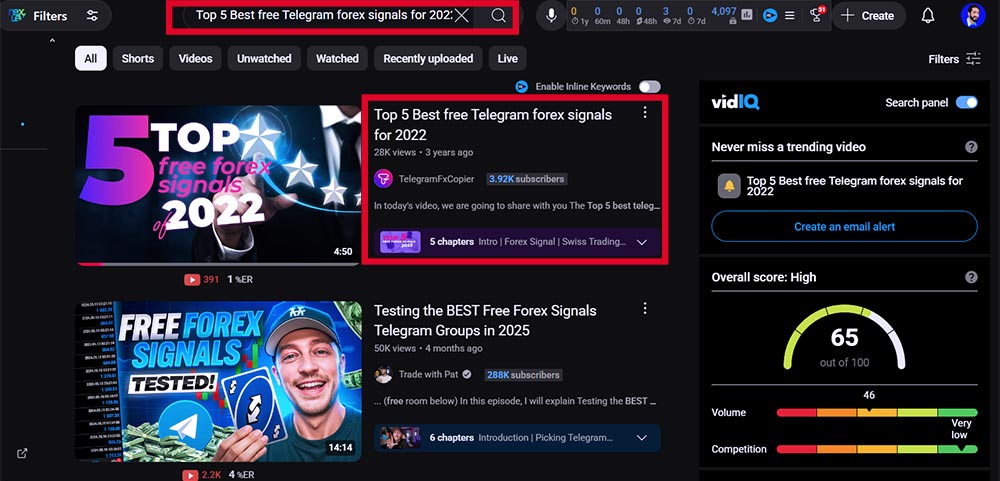
So I made my move: I started producing updated versions of these high-ranking videos, with better visuals, clearer info, and stronger SEO.
That’s when the growth really started.
Step 3: The Results
- My first video using the new strategy? 36K views.
- Another one? 28K views.
- And others? 20K, 17K, 14K...
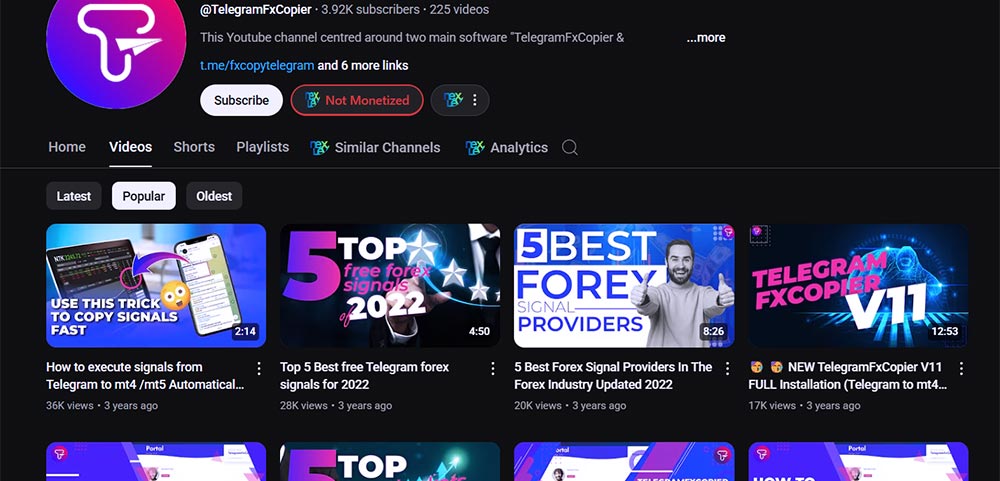
And from 200 subscribers, the channel climbed to 3.7K+ in just 6 to 8 months.
These weren't random flukes. The views were consistent because the keywords were evergreen, people were searching for them every single month.
Step 4: What Worked Behind the Scenes
- Voiceovers: I used AI-generated voiceovers (text-to-speech back then) to keep production fast and professional.
- Stock footage: Paired it with relevant b-roll to keep it visually interesting.
- Editing: Cool After Effects Text animations, transitions, and synced visuals, enough to avoid boredom without overkill.
- SEO: And yeah, chapters for the video and organizing everything into playlists ( this helps a lot 🤫 )
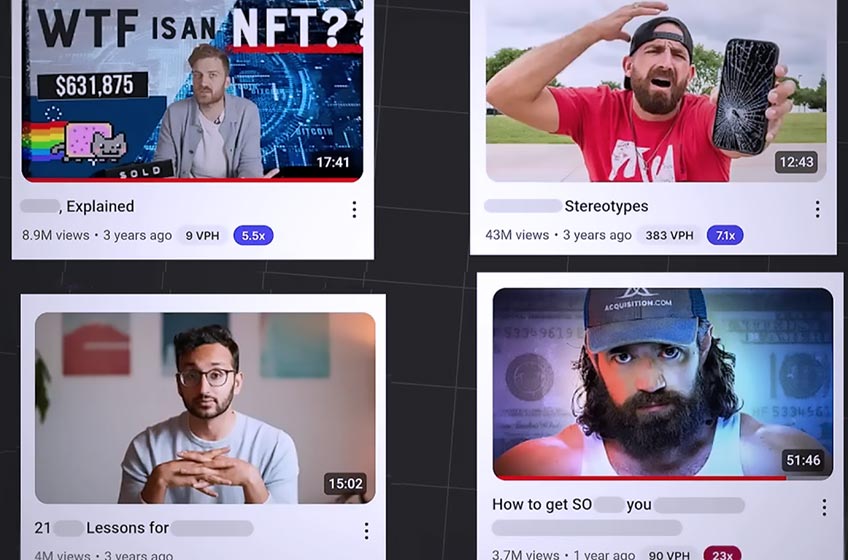
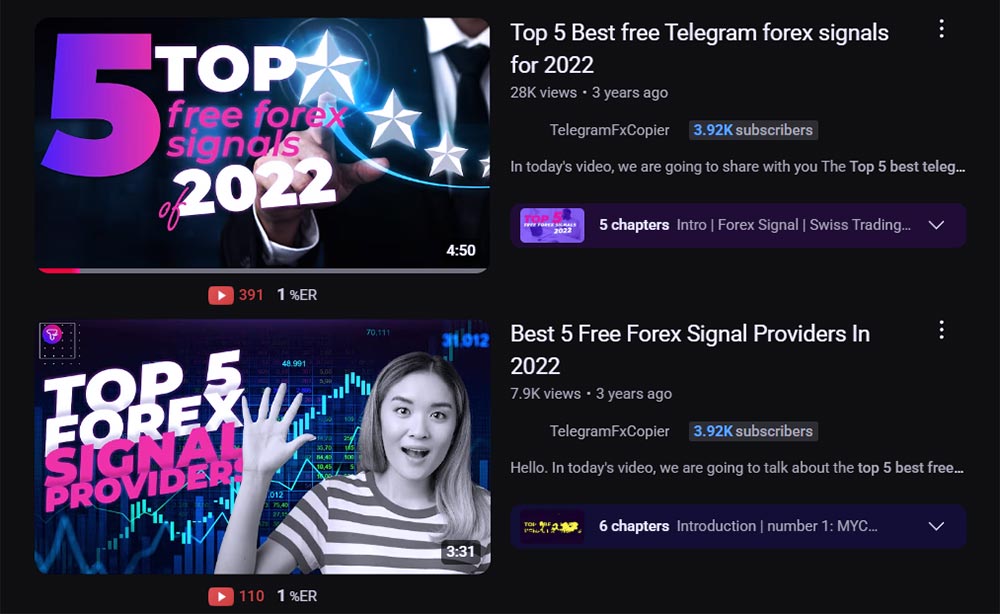
Thumbnails: I tested everything. What worked best?
- A bold, expressive face
- Vibrant colors (not too overwhelming)
- Clean bold text
- Financial Graphics and graphs, dollar signs for the appeal
Step 5: The Aftermath (and What Not to Do)
After I left, the channel’s quality plummeted.
- No SEO.
- No thumbnail testing.
- No keyword strategy.
- No soul.
- Videos went from
- 20K+ views to just 59… 89…😢.
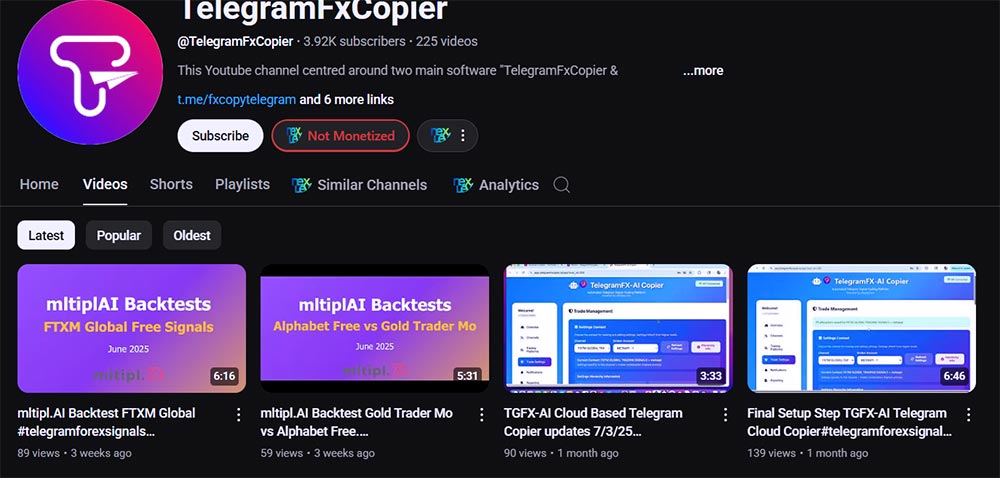
Which proves something:
🧠 YouTube isn’t just about uploading videos. It’s about knowing what to upload, when, and why.
Takeaways
- Pick evergreen, high-intent keywords
- Use searchable titles, think like your audience
- Batch your content and stick to a schedule
- Quality + SEO > Quantity alone
- Test your thumbnails constantly
- Track performance and adapt
- Most importantly, solve a problem
And if you’re doing this for a brand or a product, never forget the goal: attract → inform → convert.
Why This Matters for You
Whether you’re a brand, agency, or creator… YouTube still works. You just need the right systems in place 😉.
Or if you're just getting started and want a shortcut…
👉👉 Grab my 100+ profitable YouTube niches Here

For more Branding, Marketing, Motion and Storytelling, you already in the right place
Written by: Saiid of @saiiddesigns


.svg)